Welcome to my bookshelf
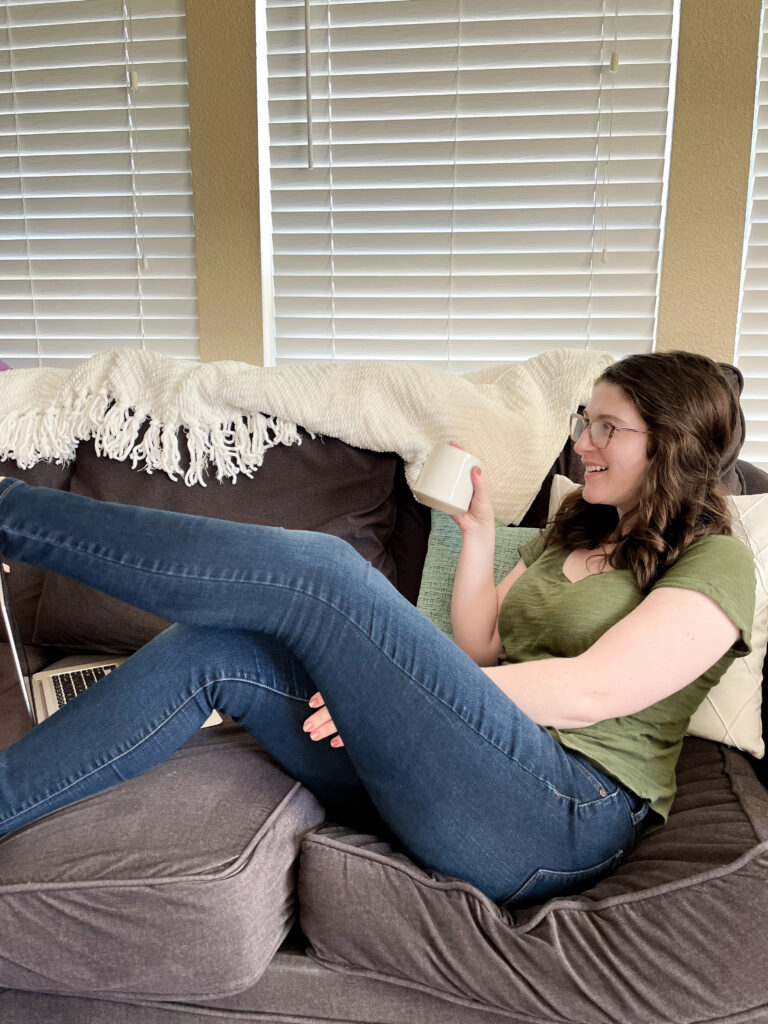
Books have shaped how I think about almost everything in our home — how I parent, how I homeschool, how I approach the rhythms and culture we are building day by day. This is not a list of books I think you should read. It is a list of books that have genuinely changed something for me, and the kind I find myself handing to friends.
I have organized them by category so you can find what is most useful to you right now. I update this shelf as I read, so check back if you are looking for something specific.
Motherhood & Parenting
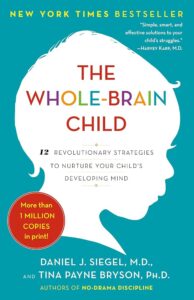
The Whole-Brained Child —
Daniel J. Siegel & Tina Payne Bryson
Who it’s for: Every mom who has ever felt like she and her child are speaking completely different languages.
This one gave me the scientific framework I did not know I needed. It explains how a child’s brain actually works — the difference between the upstairs and downstairs brain, why kids literally cannot access reason during a meltdown, and how that compares to what is happening in my own adult brain in those same moments. Understanding the why behind behavior changed how I respond to it more than any script or strategy ever has.
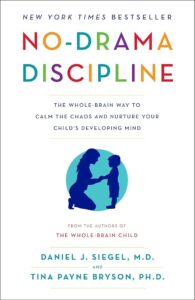
No-Drama Discipline — Daniel J. Siegel & Tina Payne Bryson
Who it’s for: Any parent who wants discipline strategies that actually address the heart, not just the behavior.
I have not even finished this one and I am already recommending it — if that tells you anything. Written by the same authors as The Whole-Brained Child, this one goes deeper into the reason we discipline and offers strategies, not just scripts, that I can actually apply in real moments. What I appreciate most is that they give examples of times they themselves have “flipped their lid” during parenting moments. It helps me not feel so alone when I get it wrong.
Homeschool & Education
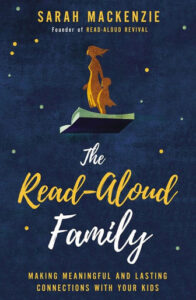
The Read-Aloud Family — Sarah Mackenzie
Who it’s for: Any homeschool mom — or any mom, honestly — who wants to build a genuine reading culture in her home.
Not only does she include wonderful book lists for every age and stage, but she makes a compelling case for why reading aloud together matters far beyond academics. She shows what it actually looks like at different seasons of childhood, and after reading this I came away with both a renewed conviction and a practical plan. One of those books that made me want to go find my kids and read to them immediately.
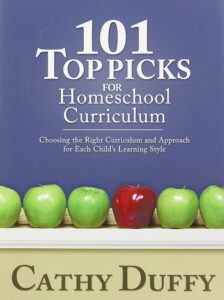
101 Top Picks for Homeschool Curriculum — Cathy Duffy
Who it’s for: Anyone in the research phase of homeschooling who feels overwhelmed by curriculum options.
This is the resource I wish I had found at the very beginning. Instead of telling you what to buy, it helps you figure out your own homeschool goals and learning styles first — then organizes curricula into categories based on those results. It is practical, thorough, and does not assume you already know what you are looking for. A genuine reference book that earns its spot on the shelf.
Homemaking & Home Organization
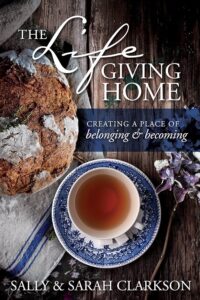
The Lifegiving Home — Sally Clarkson & Sarah Clarkson
Who it’s for: The mom who wants a home that feels intentional and alive — and is ready to think through the rhythms and culture that make it that way.
This one took me a little while to work through, but I am glad I did. There is a lot of practical guidance on running a household with intention, but what I found most valuable were the questions woven throughout. Questions like “How can I simplify what I’m doing now to provide more time to do what I value most?” That kind of prompt has a way of landing differently when you are sitting with it in the middle of a real season. It is the kind of book you read slowly and return to.
The Interior Design Handbook — Frida Ramstedt
Who it’s for: Anyone who wants to approach home design with more confidence — whether you are starting a project or just trying to understand why a space does not feel quite right.
I will be honest: I have not read this one cover to cover, and I do not think that is the point. It is the book I pull off the shelf when I am ready to tackle a specific room or project — flip to the relevant section, absorb what I need, put it back. It gives just enough theory to help you make intentional choices and enough practical guidance to actually get started. A useful reference to have on hand rather than a one-time read.
Personal Growth
The Ruthless Elimination of Hurry — John Mark Comer
Who it’s for: Anyone who has looked up and realized the pace of their life is working against the kind of presence they actually want to have.
This book was a meaningful reminder of just how much of our rushing around is optional — and how the culture of hurry we have absorbed affects our attention, our relationships, and our peace without us even noticing. He traces where that hurry culture came from and offers a case for slowing down that I found genuinely compelling. I will say: I do not personally sign on to every application he offers, especially around technology. I like my phone and I use it intentionally. But the underlying conviction shaped how I think about pace, and I have found real ways to apply his ideas — stronger limits, more margin, less default busyness. Worth reading with your own discernment engaged.