
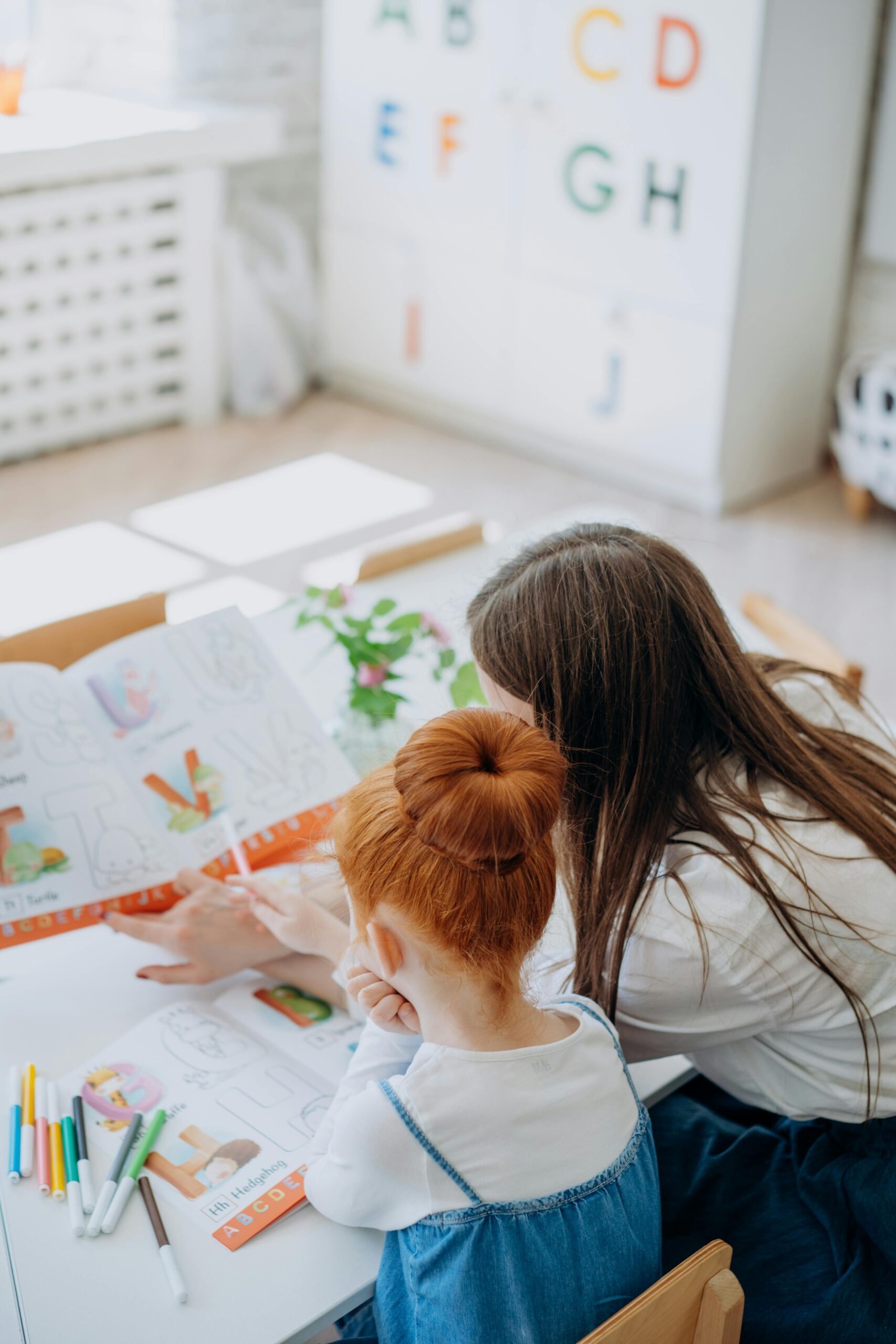
Homeschool Philosophy: Part 2 Approach to Learning
In Part 1 of this series, we talked about foundation and faith — getting clear on what you actually believe about education before you open a single curriculum catalog. If you missed it, I would start there, because everything in this post builds on that groundwork.
Now we are getting into the practical question: how will we actually approach learning in our home?
This is where homeschooling starts to feel really personal, because the answer looks genuinely different for every family. And one of the things I have come to appreciate more and more — both from my own early years in this and from being homeschooled myself — is that there is no single right method. There is only the method that actually works for your family. My mom used to say that while it is important to homeschool in a way that works for the child, it is arguably even more important to do it in a way that works for the parent. The more I have sat with that, the more I think she is right.
A worn-out, constantly second-guessing mom following someone else’s approach is not serving her kids well, no matter how good the curriculum is. Your approach to learning has to fit the person doing the teaching, not just the person doing the learning.
What We Actually Mean by Homeschool Approach
When people talk about homeschool methods, the conversation often goes straight to labels — Classical, Charlotte Mason, traditional textbook, unit studies, unschooling, eclectic. Those labels are genuinely useful shorthand, and if you are new to homeschooling, it is worth knowing what they mean.
But underneath every method is a set of assumptions about how children learn best. That is what actually matters. Classical education assumes that children move through predictable stages of learning and that training the mind in logic and rhetoric builds a foundation for everything else. Charlotte Mason assumes that children learn through living books, nature, and narration rather than dry textbooks. Unschooling assumes that children are natural learners who thrive when given freedom to follow genuine curiosity. Traditional approaches assume that structured, sequential instruction creates the clearest path to mastery.
You do not have to pick one and commit for life. But understanding what each one assumes about learning helps you figure out which assumptions actually match your own. That is the real work of defining your approach.
The Structure Question — And Why It Is Also About You
One of the most significant differences between homeschool approaches is how much structure they involve, and this is where I want to be honest about our own experience rather than just presenting both sides neutrally.
I know I work best with some structure. Not necessarily a rigid minute-by-minute schedule, but a rhythm — a predictable shape to our day that means neither I nor my daughters are ever wondering what comes next. When our days have had no structure, I have noticed a specific feeling of uncertainty settle over all of us. My girls are unsettled. I feel scattered. Nothing feels quite finished. Kids genuinely thrive when they know what to expect, and it turns out their mom does too.
So we use what is called a loop schedule — blocks of time built around subjects that flow well together, but with enough flexibility inside each block that we can spread things out or rotate based on what the day needs. It gives us the predictability we need without locking us into something that falls apart the moment one child has a hard morning.
Using a set curriculum has been another way I add structure in a way that actually serves me. Having subjects planned out for each day means minimal prep, one place to reference for everything, and the confidence that we are covering what we need to cover. When I know the bases are handled, I can actually be present for the teaching instead of worrying about whether I am forgetting something important.
None of this means flexibility is not valuable. One of the genuine blessings of homeschooling is the freedom to slow down when something needs more time and move faster when it does not. The structure creates the container. What happens inside it can breathe.
Mastery or Exposure — How Do You Define Progress?
Another question worth thinking through is how you measure whether learning is actually happening. Two broad approaches here tend to show up across homeschool methods.
Mastery-based learning means ensuring a concept is genuinely understood before moving on. This often means slower pacing, but the retention tends to be deeper and more durable. If your homeschool foundation puts a high value on academic thoroughness or if your child tends to need more time to solidify concepts before moving on, mastery probably feels right to you.
Exposure-based learning means introducing a wide range of ideas over time, trusting that understanding will deepen naturally through repetition and maturity. This approach tends to feel lighter and less pressured day to day. If your philosophy leans toward curiosity and lifelong learning, exposure may feel more aligned with what you are trying to build.
Most families land somewhere in between depending on the subject — mastery for math, exposure for history, something in between for science. What matters is that your choice is intentional rather than accidental. When you know your priority, you are a lot less likely to panic when a lesson takes longer than expected, or feel guilty when you move forward before something feels perfectly solid.
Who Is Driving the Learning?
Every homeschool approach also has an implicit answer to this question: who carries the primary responsibility for directing learning? In some homes that is almost entirely the parent — setting the schedule, selecting the materials, determining the pace, leading instruction. In others, children are given increasing ownership over time — choosing topics, setting personal goals, pursuing depth in areas that genuinely interest them.
Most families fall somewhere in between, and where you land probably has something to do with your children’s ages and personalities as much as your philosophy. A six-year-old needs different direction than a fourteen-year-old. But thinking through where you want to end up — what level of independent ownership you hope your children have developed by the time they finish their home education — can help you make intentional choices along the way rather than just defaulting to whatever feels easiest in the moment.
The Freedom of Not Fitting a Single Label
I want to say something directly to anyone who has been trying to figure out which method they are: you are probably eclectic, and that is completely fine. Most honest homeschool parents are. The families who follow one approach purely and rigidly from kindergarten through graduation are far less common than the Instagram feeds make them appear.
Eclectic homeschooling — thoughtfully pulling from multiple approaches based on what actually works — is not a lack of conviction. It is discernment. When your foundation is clear, blending methods becomes cohesive rather than chaotic because you have a filter. You are not just grabbing whatever looks good. You are evaluating everything against what you actually believe about learning and what your specific children actually need.
The goal is never to follow a method perfectly. The goal is alignment between your philosophy and your daily practice. A lot of freedom lives in that distinction.
Why People Switch — And How to Switch Less
One of the most common struggles in homeschooling is what I would call method-hopping — new year, new curriculum, new approach, same underlying uncertainty. And in my observation, this rarely happens because the materials were actually wrong. It happens because the philosophy underneath was not clear enough to evaluate them properly.
Without a defined sense of what you believe about learning, it is genuinely hard to know whether something is not working or whether you just need more time. It is hard to resist the pull of what seems to be working beautifully for someone else. Clarity is what protects you from those pulls. When you understand what you believe, what your family needs, and how you define progress, you can evaluate new ideas wisely instead of reactively.
Putting Your Approach Into Words
Your homeschool approach does not need a label to be legitimate. It just needs to be coherent — a real reflection of your foundation, your values, your understanding of your children, and the season of life you are actually in right now. It will probably evolve over time. That is natural and good. But intentional evolution is different from reactive change, and the difference usually comes down to whether you have actually written anything down.
Even a few sentences describing how you believe learning works and what that looks like in your home gives you something to return to when things get hard or confusing. If you want a structured way to work through that, the Homeschool Philosophy Workbook has guided prompts specifically for this — walking you through the structure question, the mastery question, the ownership question, and helping you write a cohesive statement about your approach. It is linked below if that feels like a useful next step.
Next Up in the Series
In Part 3, we are going to talk about your view of the child — what you believe about how children develop, what they are capable of, and how that shapes everything from your expectations to your discipline approach. It is one of the most clarifying parts of the whole philosophy-building process. I think you will find it genuinely helpful.